Anime AI Chat: How https://chat.crushon.ai/anime-ai Turns Text Into Living Characters
Anime fans have spent decades watching their favorite archetypes come to life on screen: the stoic swordsman, the mischievous catgirl, the shy bookworm who secretly runs the school. Until recently, the only way to interact with those characters was to watch, read, or replay a scripted visual novel. That boundary is dissolving. With https://chat.crushon.ai/anime-ai, conversational AI has been tuned specifically for anime-style personalities, letting users hold open-ended conversations with characters that feel written rather than generated. This article explores what that platform is, why anime is such a natural fit for AI chat, how the underlying technology works, and what it means for storytelling, language learning, and creative writing.
What Makes Anime AI Chat Different From Generic Chatbots
General-purpose chatbots are optimized for accuracy. They answer questions, summarize documents, and try to stay neutral. Anime AI chat is optimized for character. The goal is not to deliver the most factually correct response but the most in-character one. A tsundere character should hesitate before admitting affection. A mentor figure should speak in measured, slightly cryptic sentences. A hyperactive sidekick should interrupt itself mid-thought.
That shift changes nearly everything about how a conversation feels. Instead of asking a bot for the weather, users ask a character how their training is going, what they think of a rival, or what they would do in a hypothetical battle. The model’s job is to maintain a consistent voice, remember prior context, and respond in ways that match the established personality — even when the user tries to steer the conversation somewhere unexpected.
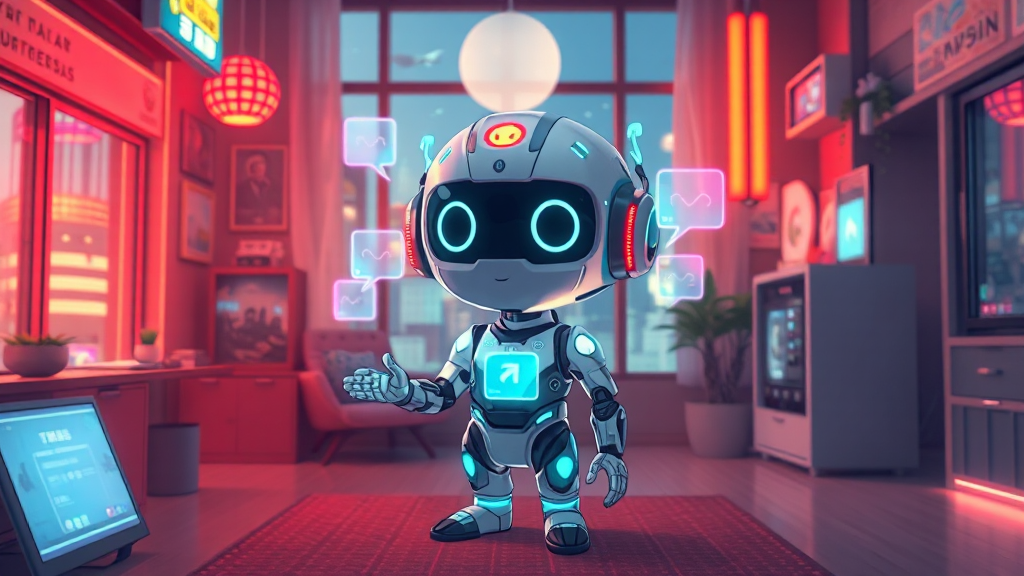
Platforms like chat.crushon.ai lean into this by offering anime-style avatars and persona-driven prompts. The experience sits somewhere between interactive fiction and a roleplay partner, and it appeals to people who already enjoy fan fiction, visual novels, and character-driven RPGs.
Why Anime Is a Natural Fit for Conversational AI
Anime storytelling is built on recognizable archetypes. Viewers instantly understand what a “childhood friend,” a “cool rival,” or a “genki girl” implies. These tropes act like compressed character sheets: a few signals communicate backstory, tone, and likely behavior. For an AI system, that is a gift. It means a relatively small amount of setup can produce a character that feels coherent and familiar.
Anime dialogue also tends to be expressive. Characters announce their emotions, use distinctive speech patterns, and react dramatically. That theatricality gives a language model more surface area to work with. Subtle, understated realism is hard to simulate; bold, stylized personalities are much easier to sustain over a long conversation.
Finally, anime fandom is deeply participatory. Fans write fan fiction, draw fan art, cosplay, and debate character motivations for years. A tool that lets them actually talk to those characters fits naturally into an existing culture of creative engagement rather than asking them to adopt something entirely new.
How the Technology Behind Anime AI Chat Works
At a high level, systems like chat.crushon.ai combine three ingredients: a large language model, a character definition layer, and a memory system.
The language model provides the raw ability to understand and generate text. On its own, it has no personality. The character definition layer supplies that personality through carefully written instructions: speech style, values, quirks, relationships, and boundaries. When a user sends a message, the model reads the character definition alongside the conversation history and produces a reply that fits both.
The memory system is what makes longer conversations possible. Without it, a character would forget what was said five messages ago. With it, the AI can reference earlier events, call back to jokes, and build a sense of continuity. This is the difference between a novelty and something users return to.
There is also a safety and moderation layer in any responsible implementation. Character roleplay should not become a vector for harmful content, so most platforms apply filters and guidelines that keep conversations within reasonable bounds while still allowing creative freedom.
Practical Uses Beyond Entertainment
It is easy to dismiss anime AI chat as pure fun, but the use cases go further than that.
For writers, it is a brainstorming partner. An author working on a light novel or webcomic can test dialogue by talking to a character and seeing how they respond to situations the plot has not yet covered. That can expose inconsistencies or reveal new story directions.
For language learners, especially students of Japanese, anime-style chat offers low-pressure practice. Learners can hold conversations in a context they already enjoy, which tends to increase motivation and reduce the anxiety that comes with speaking to a real person.
For game designers and hobbyist developers, character AI can serve as a prototype for NPCs. Instead of writing hundreds of branching dialogue lines, a designer can define a personality and let the model improvise within constraints. That does not replace careful writing, but it can accelerate early exploration.
For fans, the appeal is simpler: the chance to spend more time with characters they love, in a format that responds to them personally.
What to Look For in an Anime AI Chat Platform
Not all implementations are equal. When evaluating a platform, consider a few practical factors.
Character consistency. Does the AI stay in character over a long session, or does it drift back into generic assistant mode after a few messages? Consistency is the hardest part of the problem and the clearest sign of a well-built system.
Memory and continuity. Can the character remember details from earlier in the conversation? Does it handle callbacks gracefully? Memory quality separates a toy from a tool.
Response latency. Conversation feels natural only when replies arrive quickly. Slow responses break the illusion of talking to a character.
Customization. Some users want ready-made characters; others want to define their own. A flexible platform supports both.
Privacy and moderation. Understand how conversations are stored and what content policies apply. Responsible platforms are transparent about both.
If you want to see how these factors play out in practice, the anime-focused experience at https://chat.crushon.ai/anime-ai is a reasonable starting point for comparison.
The Creative and Ethical Questions Worth Asking
Anime AI chat raises interesting questions. If a user forms an emotional attachment to an AI character, what does that mean? Is it harmless imaginative play, or does it risk replacing human connection? The honest answer is that it depends on the user and the context. For most people, it is an extension of existing fandom behavior, similar to reading fan fiction or playing a visual novel. For a small minority, it could become a substitute for real relationships, which is worth watching.
There are also questions about authorship. If an AI generates dialogue in the style of a known character, who owns it? Platforms typically address this in their terms of service, but the legal landscape is still evolving.
Finally, there is the question of representation. Anime is a broad medium with many genres and audiences. A good platform should support a range of character types rather than defaulting to a narrow set of stereotypes.
How to Get the Most Out of an Anime AI Chat Session
A few habits make the experience noticeably better.
Start with a clear scenario. Instead of opening with a generic greeting, set a scene: “We are rivals training for the same tournament.” Characters respond better when they have context to react to.
Stay in character yourself. The AI mirrors the tone of the conversation. If you write in a casual, in-world style, the character is more likely to respond in kind.
Use details. Mention specific places, past events, or shared history. This gives the memory system something to hold onto and makes the conversation feel continuous.
Be patient with drift. If a character slips out of voice, gently redirect: “That did not sound like you. What would you really say?” Most systems recover quickly.
Experiment with different characters. Each persona is a different writing style, and trying several helps you understand what the platform does well.
Frequently Asked Questions About Anime AI Chat
Is anime AI chat the same as a general chatbot?
No. A general chatbot is designed to be accurate and neutral. An anime AI chat platform is designed to maintain a specific character voice, which means it prioritizes personality and consistency over factual precision.
Can the AI remember what we talked about earlier?
Good platforms include a memory layer that lets characters reference earlier parts of the conversation. The quality of that memory varies, so it is worth testing with a longer session before committing to a platform.
Is it suitable for language learning?
It can be a useful supplement, especially for learners who enjoy anime and want low-pressure practice. It should not replace structured study or conversation with native speakers, but it can make daily practice more engaging.
Do I need any technical skills to use it?
No. Most anime AI chat tools are browser-based and require nothing more than a text prompt to begin. More advanced users can often customize characters, but that is optional.
What should I consider before sharing personal information?
Treat any AI chat like a public-facing service. Avoid sharing sensitive personal details, and read the platform’s privacy policy to understand how conversations are stored and used.
Where This Is Heading
Anime AI chat sits at the intersection of two trends: the growing sophistication of language models and the enduring popularity of character-driven storytelling. As memory improves, voices become more distinctive, and multimodal features like voice and animation mature, the line between watching a character and talking with one will keep blurring.
That future is not guaranteed to be good or bad. It depends on how platforms handle consistency, safety, and creative respect. But for anyone curious about where interactive storytelling is going, spending an afternoon with a well-built anime AI character is one of the clearest ways to see the direction of travel.